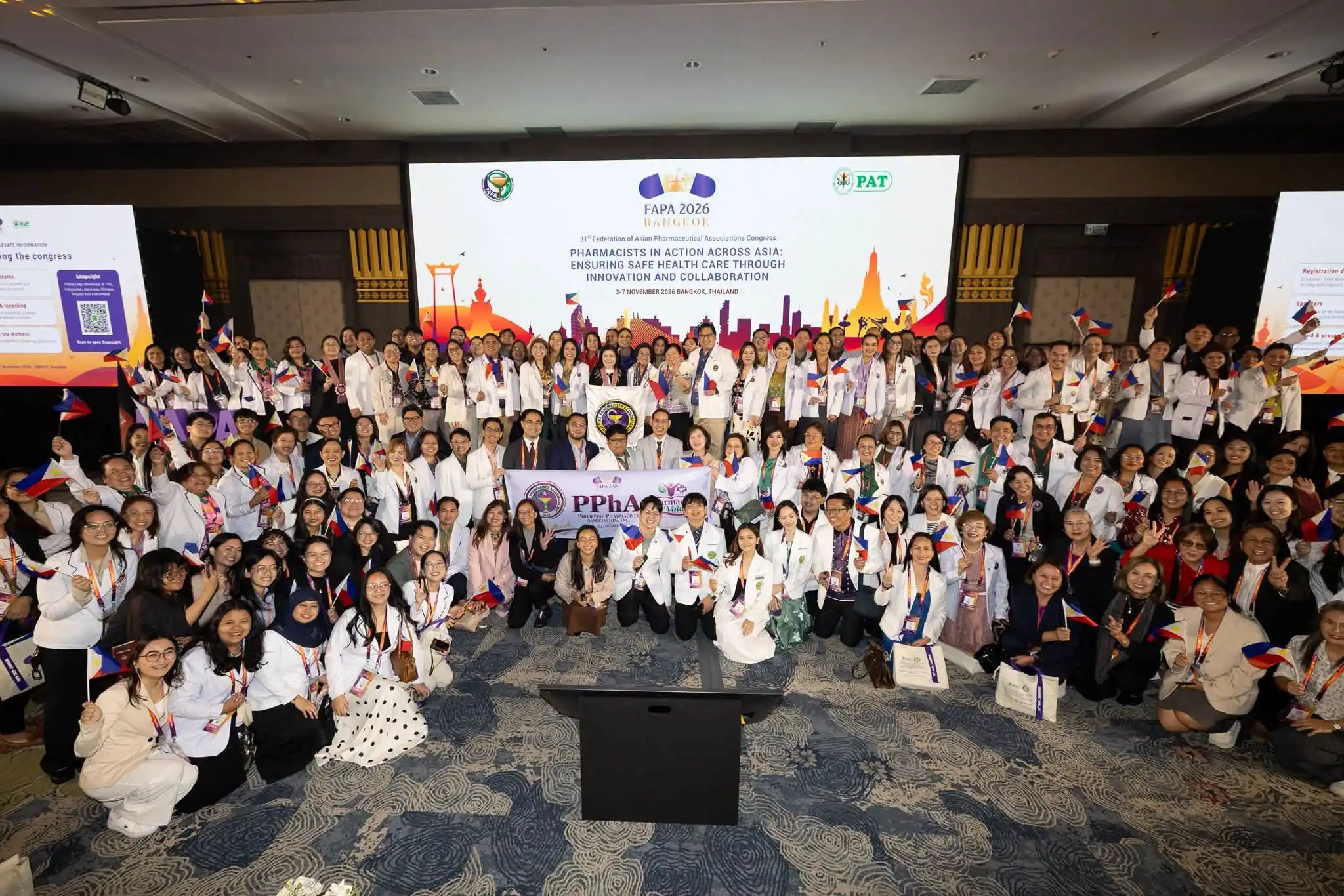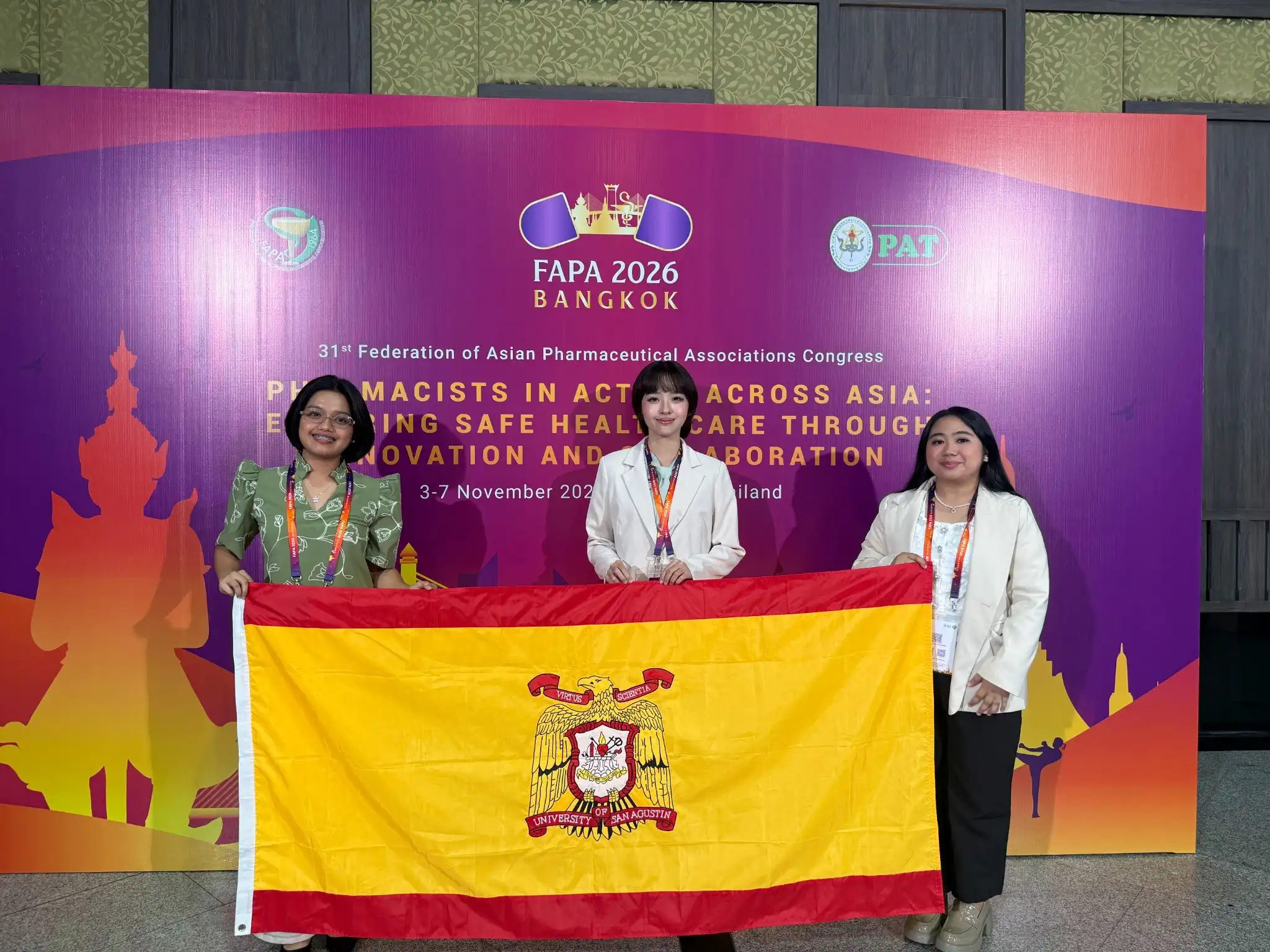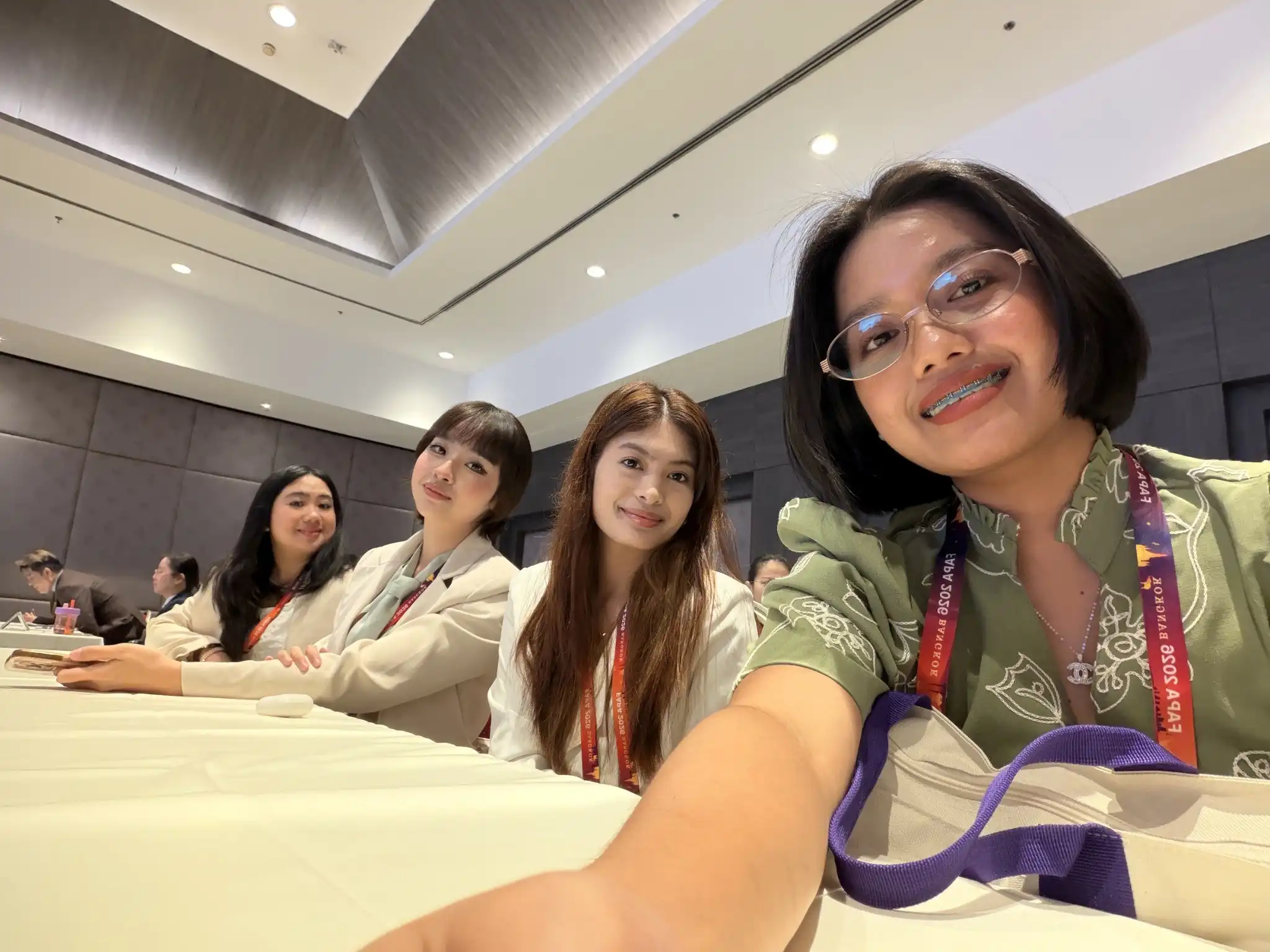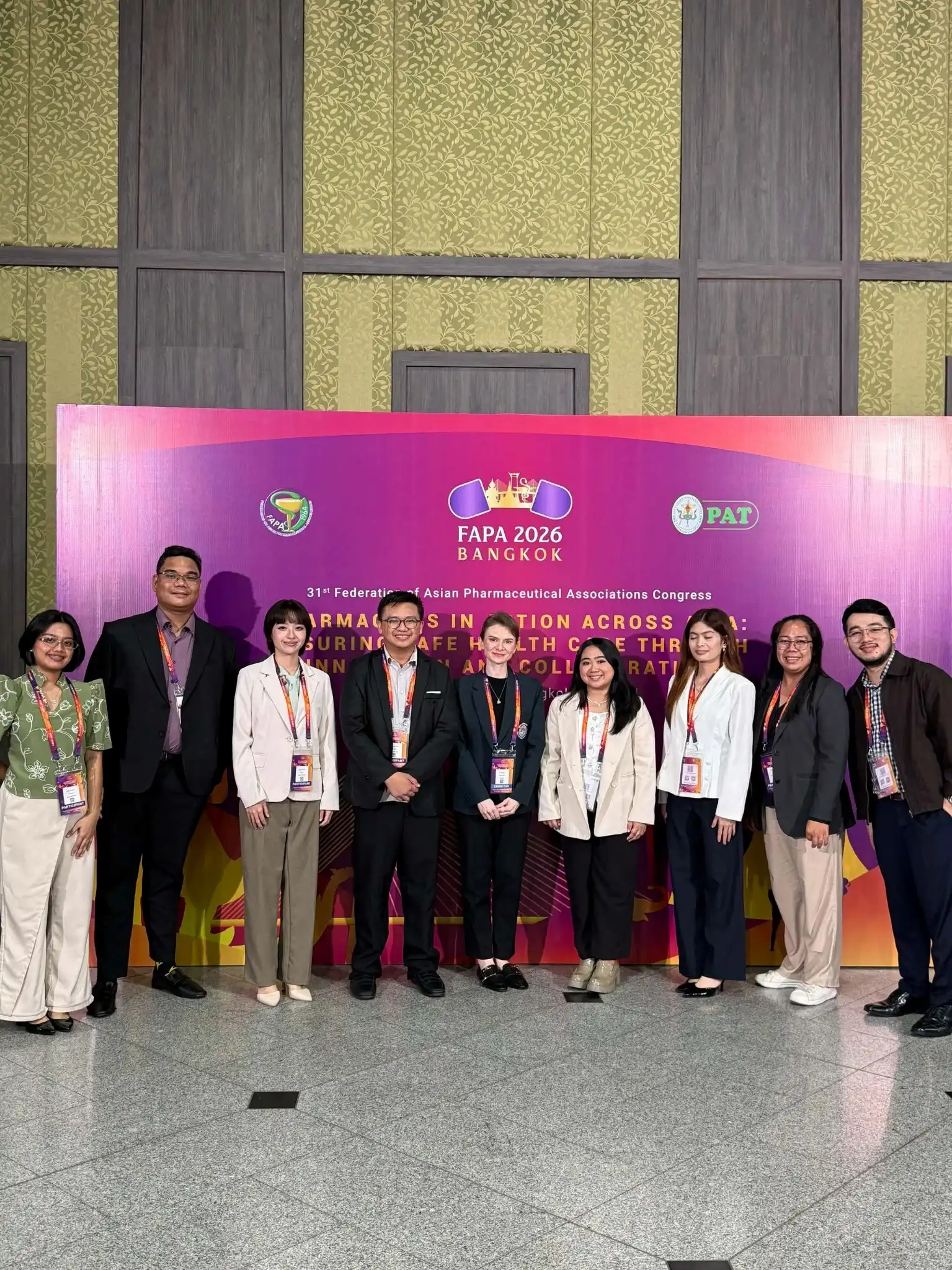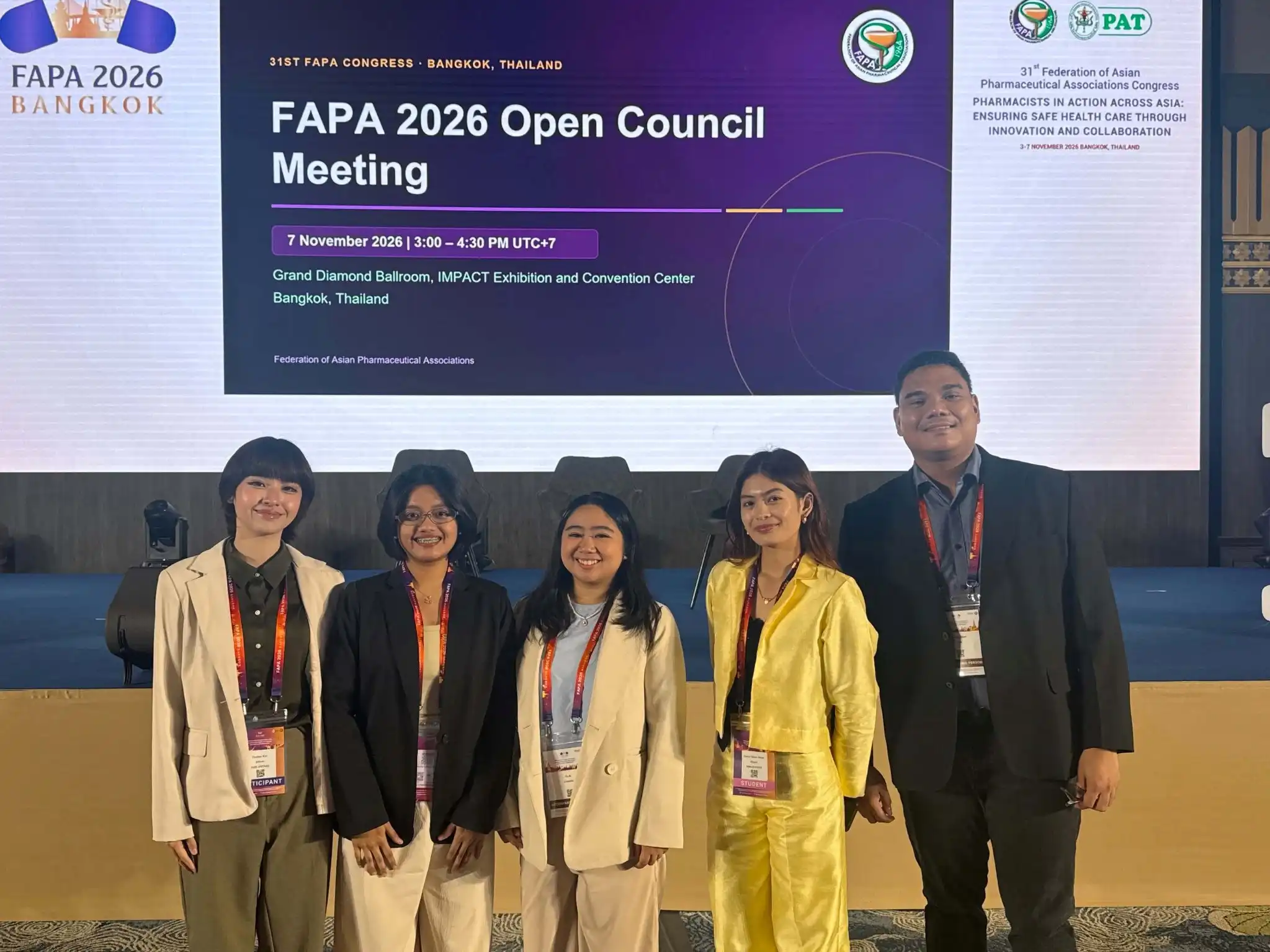

The University of San Agustin (USA), through its College of Pharmacy and Medical Technology, participated in the 31st Federation of Asian Pharmaceutical Associations (FAPA) Congress, held 3-7 November 2026, at the IMPACT Exhibition and Convention Center in Bangkok, Thailand. The University was represented by Mr. Allan Marc Lena, RPh., MSPharm., together with Bachelor of Science in Pharmacy students Fervet Marie Shane Degala, Erika Lalaine Patindol, Via Gonzales, and Shainne Kye Juliano.
With the theme “Pharmacists in Action Across Asia: Ensuring Safe Health Care Through Innovation and Collaboration,” the congress brought together pharmacists, educators, researchers, students, and industry representatives from across the region to exchange scientific knowledge and discuss developments in pharmaceutical practice.
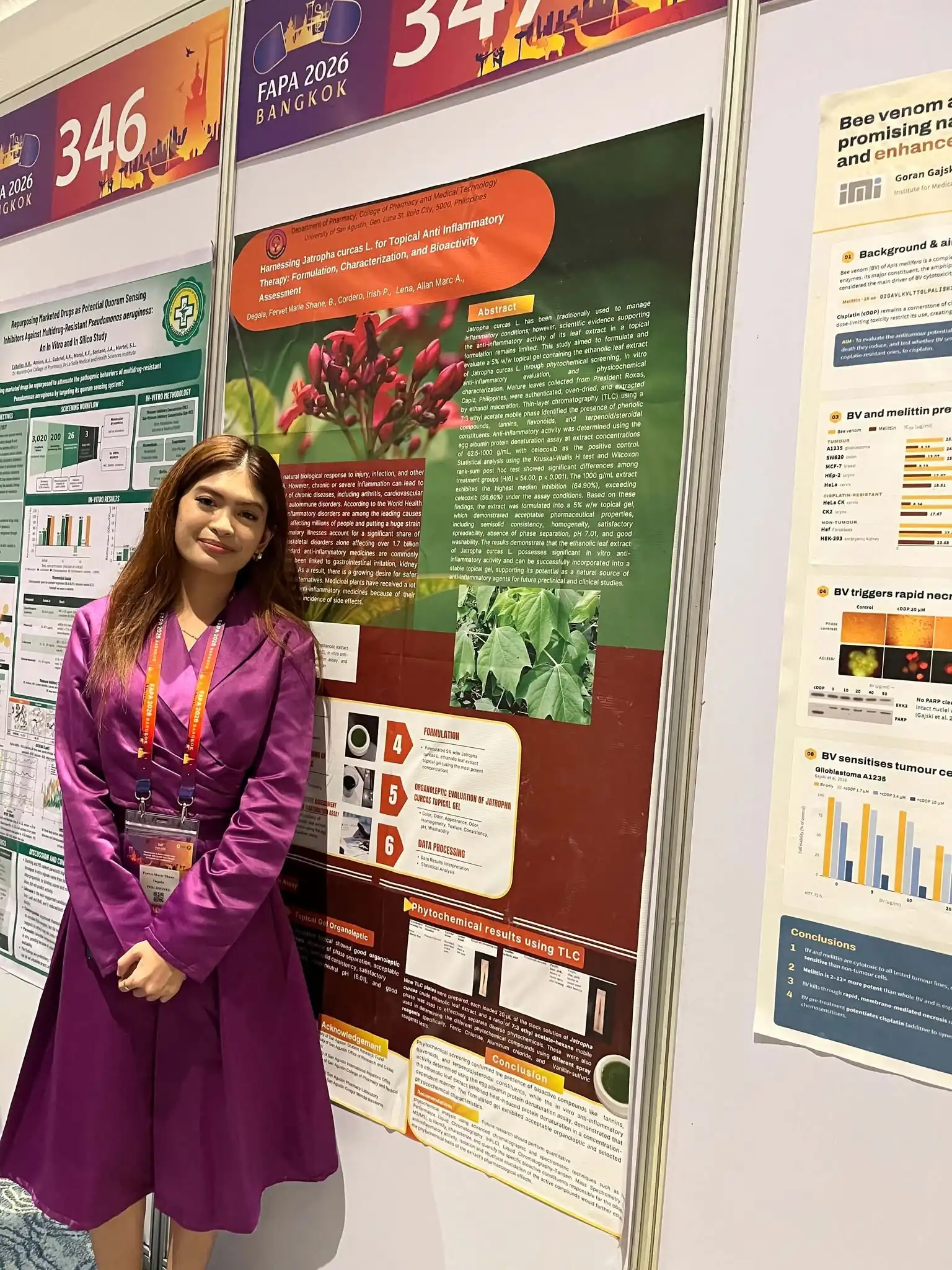
A highlight of the University’s participation was the presentation of three undergraduate research studies through scientific poster presentations. Fervet Marie Shane Degala presented “Harnessing Jatropha curcas L. for Topical Anti-inflammatory Therapy: Formulation, Characterization, and Bioactivity Assessment,” which explored the potential of Jatropha curcas as a source of bioactive constituents for topical formulation development.
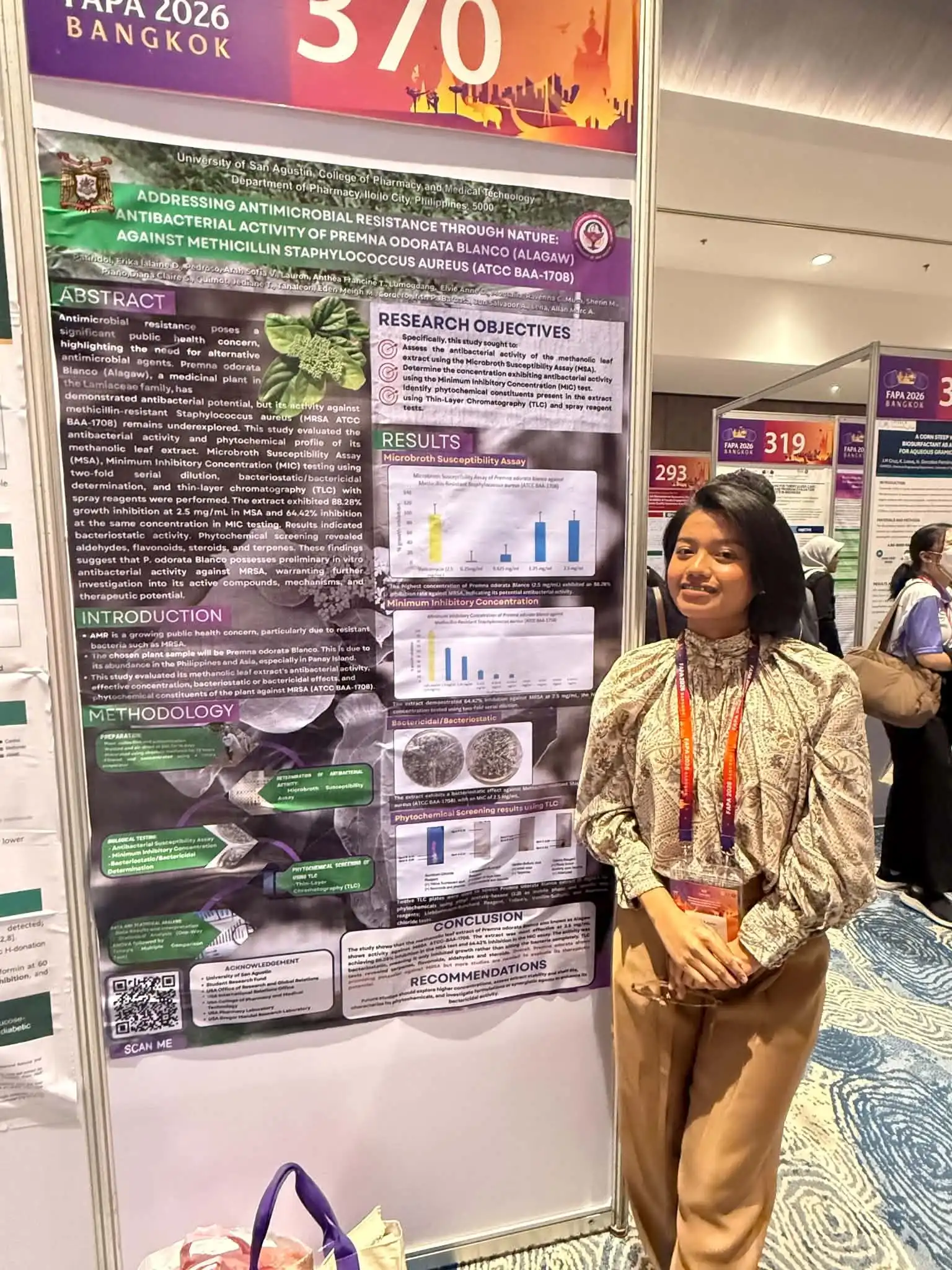
Erika Lalaine Patindol presented “Addressing Antimicrobial Resistance Through Nature: Antibacterial Activity of Premna odorata Blanco (Alagaw) Against Methicillin-Resistant Staphylococcus aureus ATCC BAA-1708.” Her study examined the antibacterial potential of Premna odorata (Alagaw) against a methicillin-resistant bacterial strain, contributing to research exploring plant-based approaches to antimicrobial resistance.
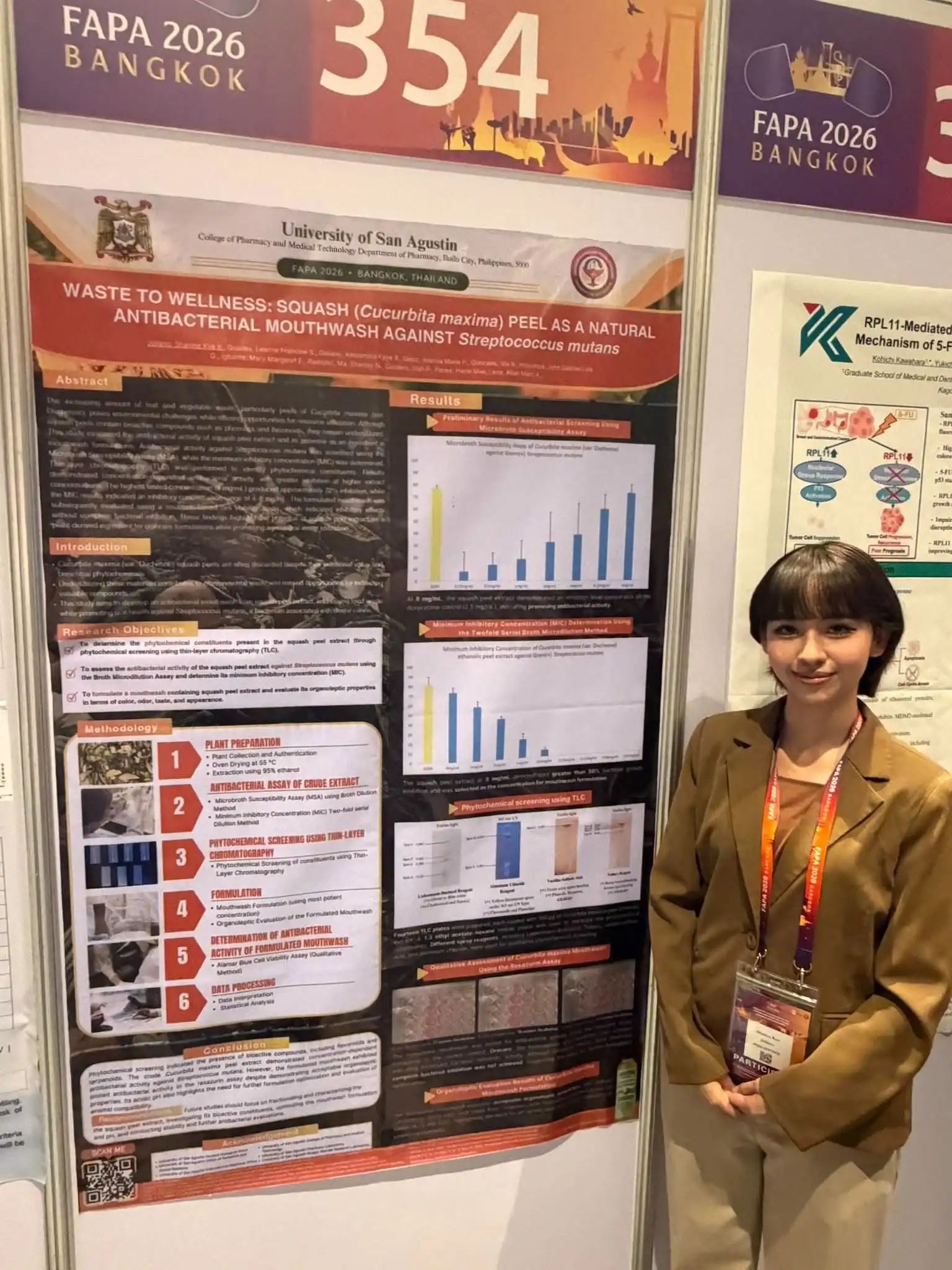
Meanwhile, Shainne Kye Juliano presented “Waste to Wellness: Squash (Cucurbita maxima) Peel as a Natural Antibacterial Mouthwash Against Streptococcus mutans.” The study investigated the potential use of squash peel, an often-discarded agricultural material, in developing a natural mouthwash with antibacterial properties.
Presenting their work before an international audience allowed the student researchers to communicate their methods and findings, engage with professional questions, and encounter the standards of scientific exchange beyond their home institution. The studies also highlighted the potential of locally available natural materials as subjects of pharmaceutical research.
Beyond the poster presentations, the delegates attended scientific sessions addressing current concerns and developments in pharmacy, including medication safety, patient-centered care, pharmaceutical innovation, and cardiovascular risk management. Selected delegates also joined an educational field visit associated with the Chulabhorn Royal Academy pharmaceutical manufacturing plant, providing exposure to pharmaceutical manufacturing and the application of concepts in pharmaceutical technology and quality assurance.
The congress likewise provided opportunities for academic exchange with international participants. The USA delegation engaged with representatives of Burapha University, opening avenues for possible future dialogue in pharmacy education, natural-products research, and international academic activities.
In his reflections on the visit, Mr. Lena identified seeing students represent the University in an international academic setting as one of its most significant outcomes. The experience affirmed the value of mentoring undergraduate researchers and giving them opportunities to share their work beyond the classroom. It also reinforced the importance of clear scientific communication, critical appraisal, and responsible interpretation of research findings, as well as the University’s commitment to research-led teaching, professional development, and international academic engagement.
SDGs: 3, 4, 9, 12, 17