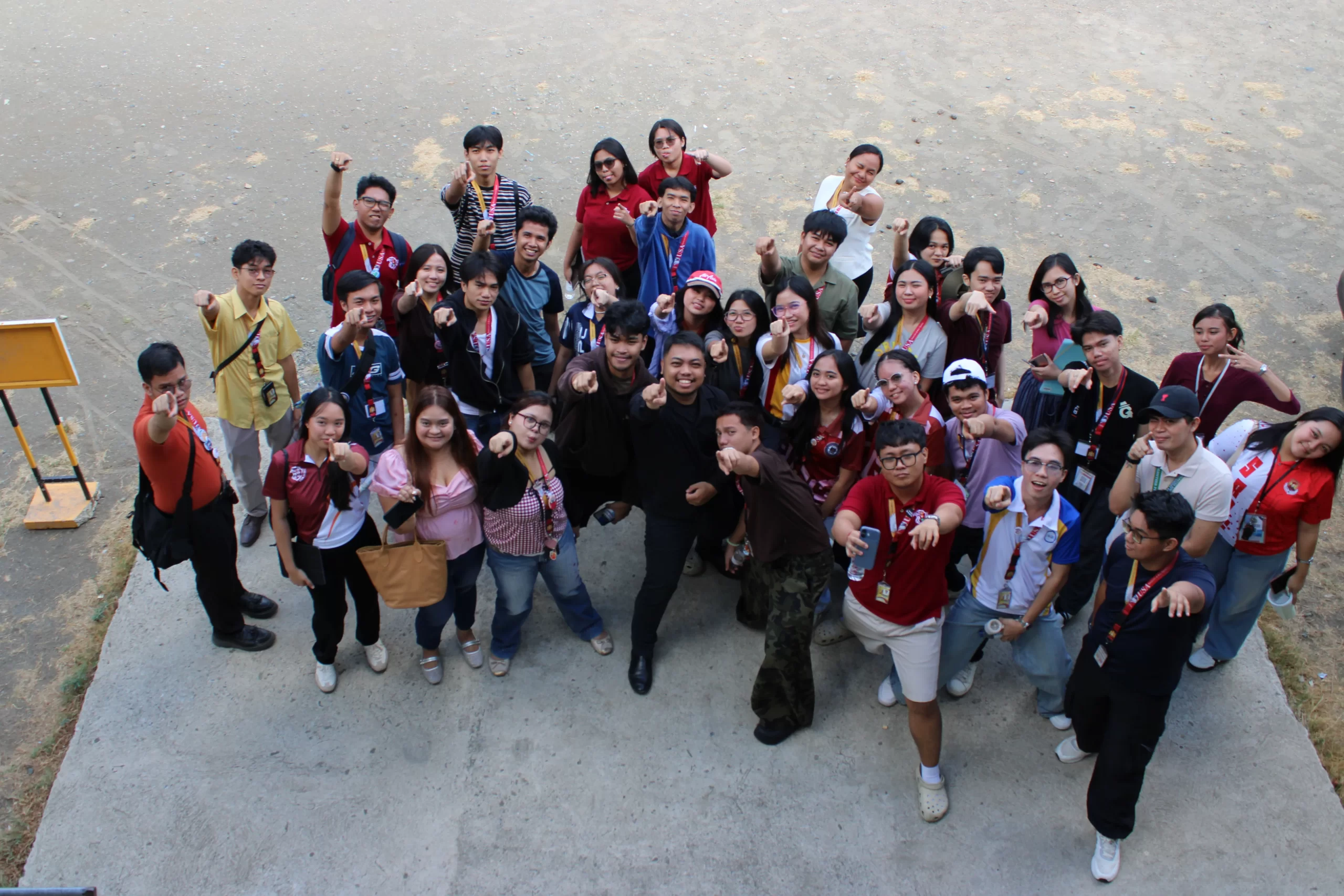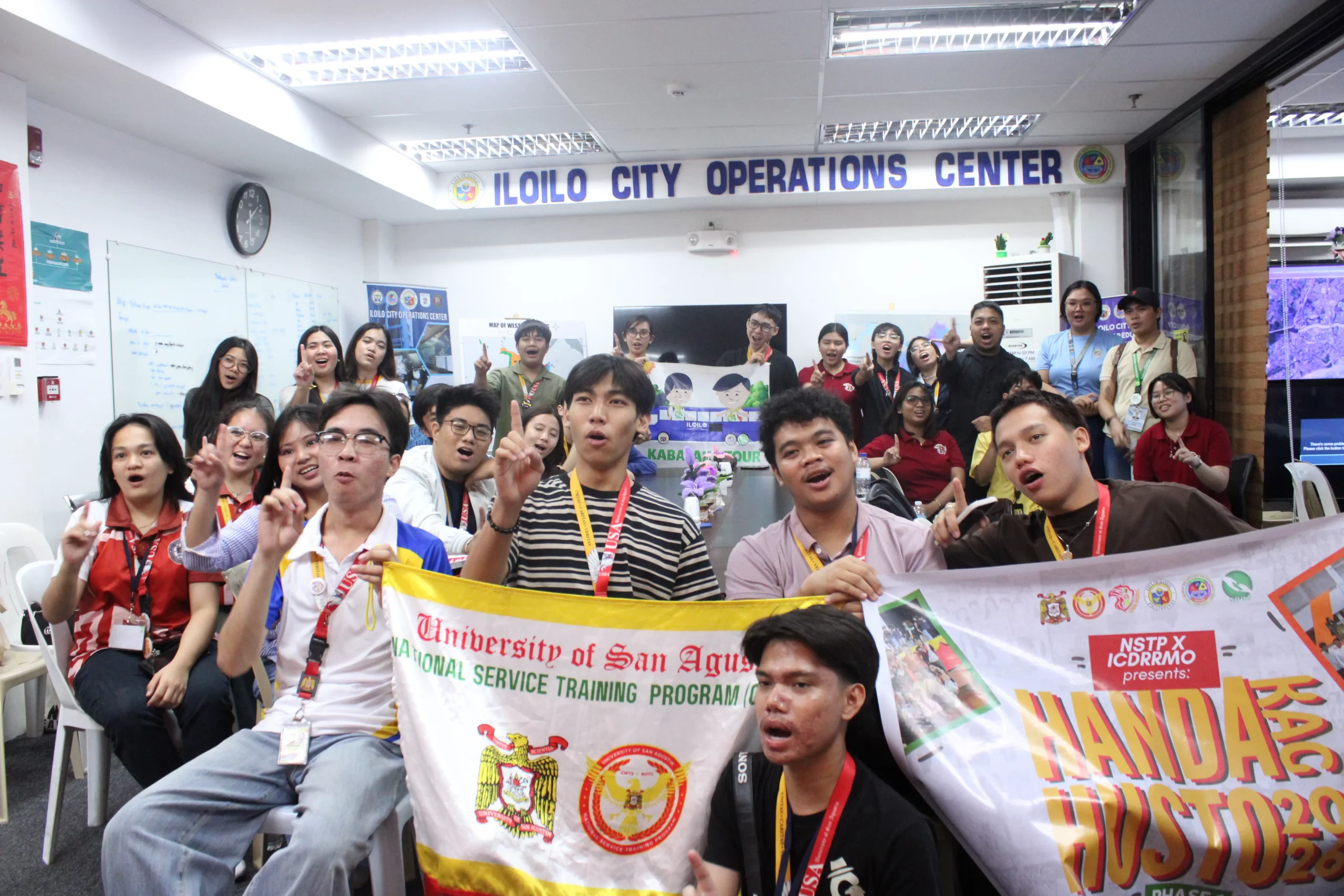

ILOILO CITY, Philippines | The University of San Agustin National Service Training Program (USA-NSTP), through the University of San Agustin National Service Reserve Corps (USA-NSRC), conducted a three-day Disaster Risk Reduction (DRR) Camp on May 19–21, 2026, in partnership with the Iloilo City Disaster Risk Reduction and Management Office (ICDRRMO). The camp brought together Augustinian reservists for a comprehensive training program covering foundational disaster risk reduction concepts, practical preparedness activities, and institutional exposure to emergency response operations in Iloilo City.
Conducted under “Handa kag Husto: Capability Building for USA-NSRC Core Volunteers and Mobilization Initiative,” the camp marked the first implementation phase of the USA-NSRC Augustinian Passion Project for Academic Year 2026–2027. As the organization enters its fifth year, the initiative establishes a continuing direction for strengthening the preparedness and mobilization capacity of its reservists through technical training, institutional partnerships, and sustained capability development.
The three-day program was designed to introduce reservists to the knowledge and competencies necessary for responsible participation in disaster preparedness and future coordinated response efforts. With the technical support of the ICDRRMO, participants engaged in structured learning sessions, practical exercises, and exposure activities intended to deepen their understanding of Disaster Risk Reduction and Management and the responsibilities associated with reserve service.
Day 1: UnRISK DRRM Learning Session and Workshop
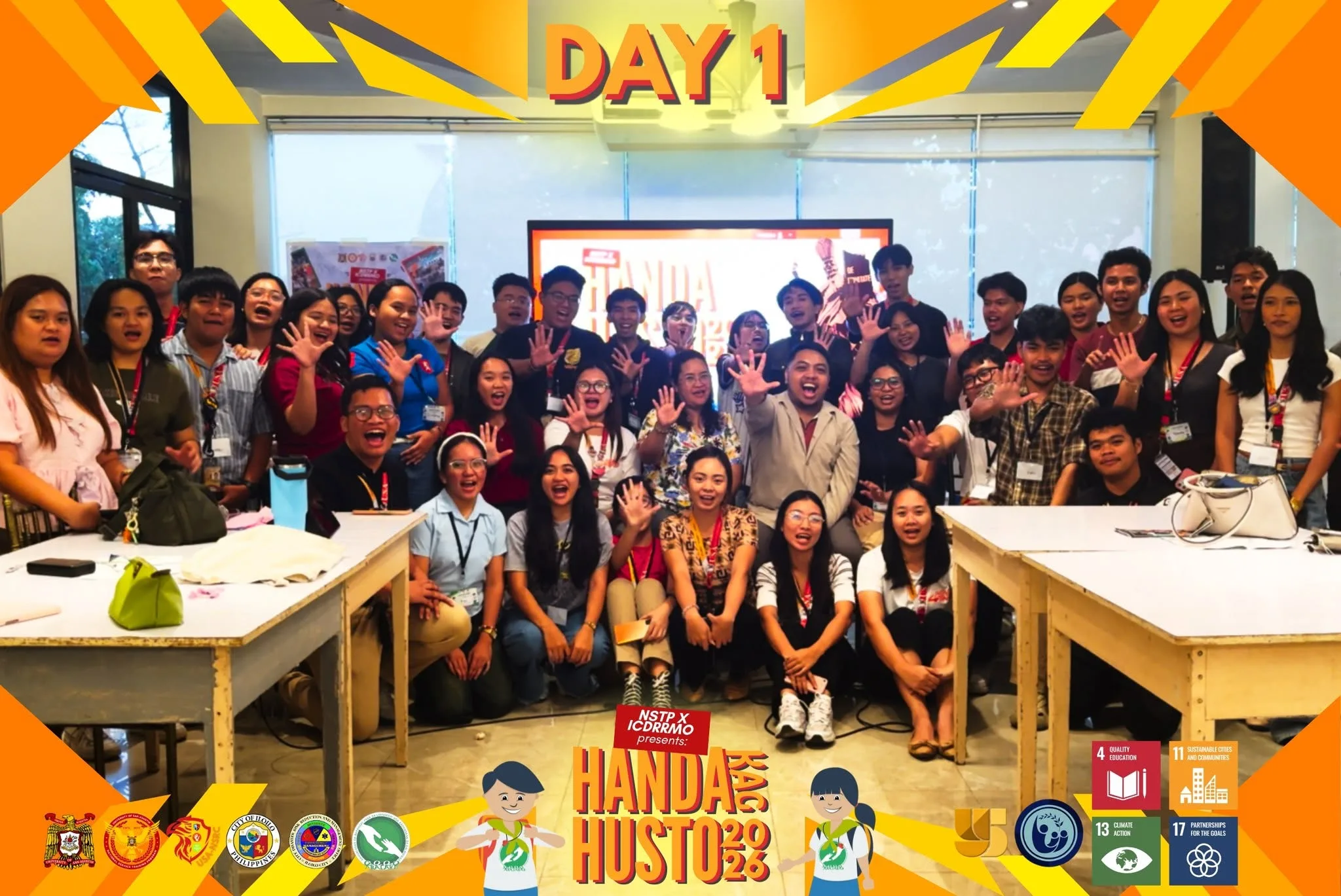
The camp officially commenced on May 19, 2026, on the second floor of Hotel Sta. Monica, with the UnRISK DRRM Learning Session and Workshop, or Unpacking Resilience: Inclusive and Innovative Strategies for Knowledge Building.
The opening session introduced participants to the fundamental principles of Disaster Risk Reduction and Management, particularly the relationship among hazards, exposure, vulnerability, and capacity. These concepts provided the foundation for understanding how disaster risks emerge and how communities can develop appropriate measures to reduce their vulnerability.
Participants examined the Philippine Disaster Risk Profile and the Iloilo City Risk Profile, gaining a clearer understanding of the hazards and conditions affecting disaster preparedness at the national and local levels. Discussions also covered climate resilience, disaster risk governance, and the importance of community participation in developing effective preparedness strategies.
The learning sessions were complemented by interactive workshops that required participants to apply the concepts discussed. Through scenario-based risk assessments, intervention planning, role-playing activities, group presentations, and facilitated discussions, reservists examined possible disaster situations and proposed appropriate preparedness measures based on identified risks and community needs.
The activities encouraged participants to consider the practical implications of disaster risk information and the importance of informed decision-making when addressing community vulnerabilities.
As the opening component of the camp, the UnRISK Learning Session established a common understanding of Disaster Risk Reduction principles among participating reservists. This foundation prepared them for the more practical and participatory training activities scheduled for the succeeding days.
Day 2: KABALAKA Camp Training of Trainers
On May 20, 2026, the camp proceeded with the KABALAKA Camp Training of Trainers, which focused on developing the practical preparedness knowledge and facilitation skills of USA-NSRC reservists.
The training introduced participants to the history and development of the KABALAKA Camp, including its inspiration from Japanese disaster preparedness practices and subsequent adaptation through CITYNET. Facilitators explained the objectives, procedures, and safety considerations of the program’s learning stations, emphasizing their application in community-based Disaster Risk Reduction education.
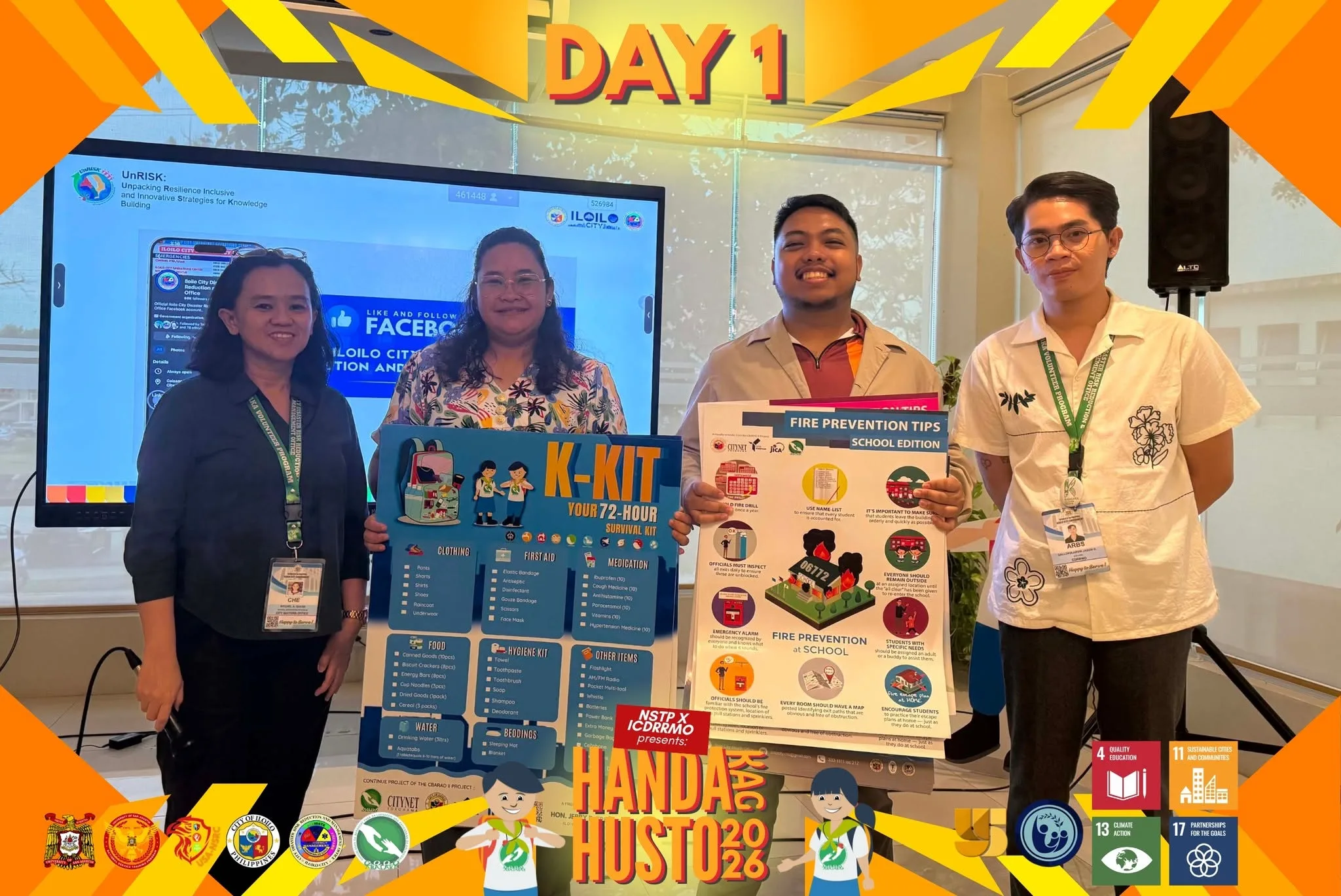
The morning session provided demonstrations and instructional discussions on several preparedness activities, including fire response, improvised stretcher transport, assistance to vulnerable individuals during flooding, emergency preparedness through the KABALAKA Survival Kit, water rescue, knot tying, and basic first aid.
Participants were also introduced to previous implementations of the KABALAKA Camp, providing examples of how its activities have been conducted in schools and communities to promote disaster preparedness through participatory learning.
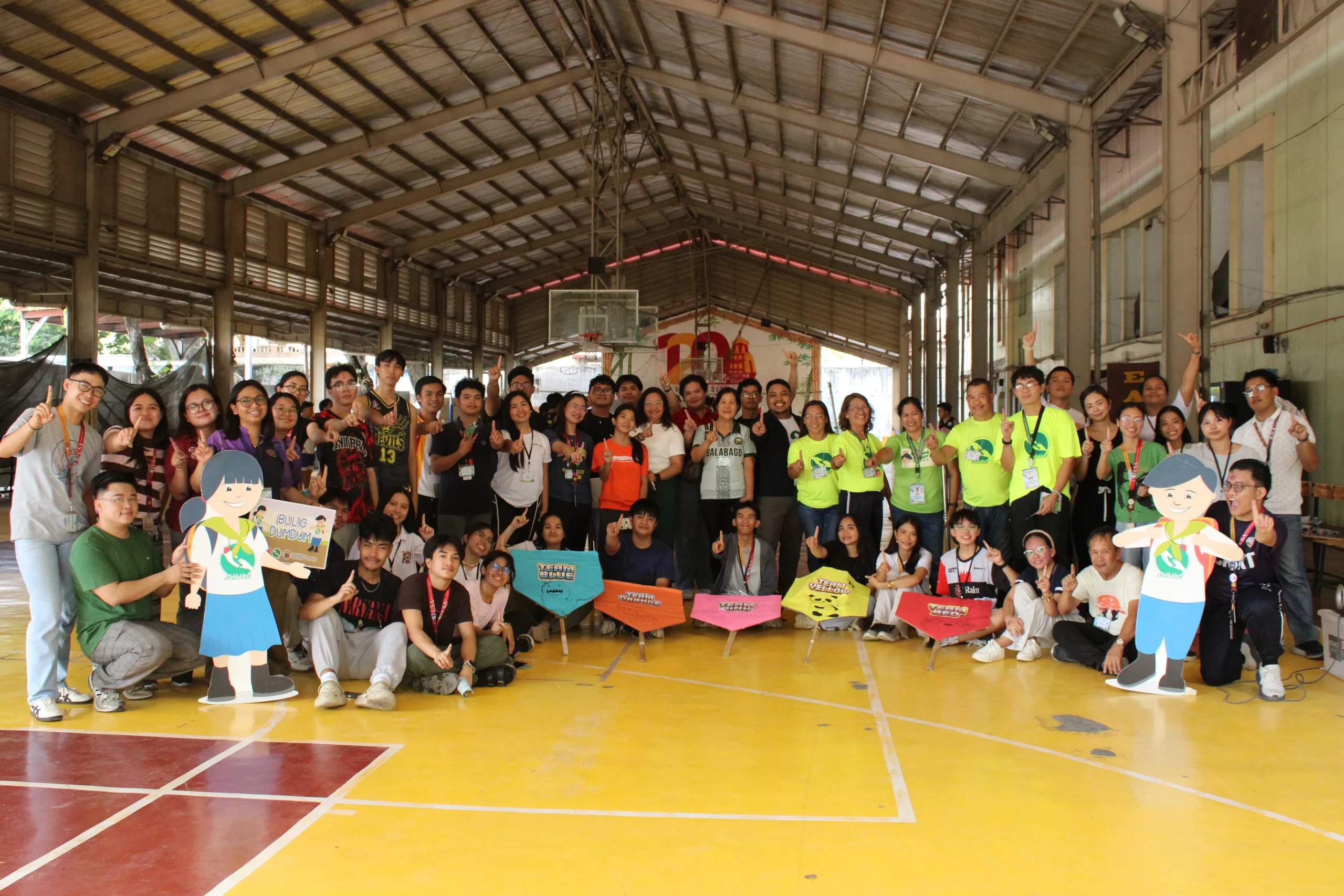
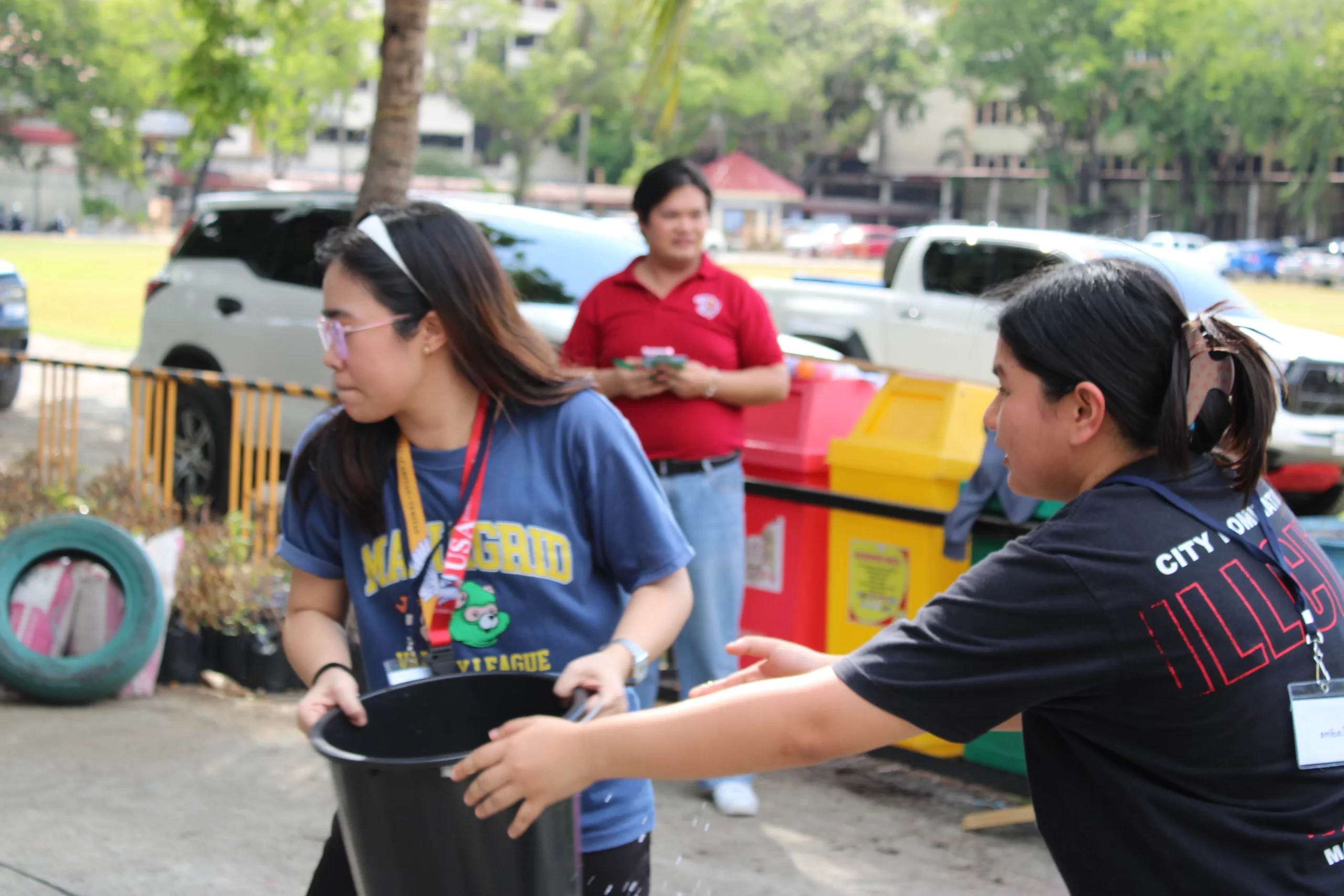
During the afternoon session, reservists rotated through the learning stations and performed the activities under the guidance of the facilitators. The hands-on exercises allowed participants to become familiar with the methods and procedures involved in each station while gaining practical experience in simulated emergency situations.
The Training of Trainers component also introduced participants to the responsibilities of facilitating preparedness education. Through guided participation, reservists developed a greater appreciation of the planning, communication, and safety considerations required when conducting Disaster Risk Reduction activities for different groups of learners.
This component holds particular significance for the continuing direction of Handa kag Husto, as the USA-NSRC intends to develop a pool of trained reservists who may eventually assist in implementing preparedness education programs for future CWTS students, incoming NSRC members, and partner communities.
Day 3: KABALAKA Exposure Tour
The camp concluded on May 21, 2026, through the KABALAKA Exposure Tour, which brought USA-NSRC reservists to four institutions involved in disaster preparedness, emergency response, scientific monitoring, and public safety operations in Iloilo City.
The exposure tour provided participants with an opportunity to observe how the concepts introduced during the previous two days are applied within established institutional systems.
The first destination was John B. Lacson Foundation Maritime University, where participants were introduced to the institution’s disaster preparedness initiatives, contingency planning, and resilience practices. The visit provided insights into how educational institutions establish preparedness mechanisms and maintain organizational readiness through planning and continuous assessment.
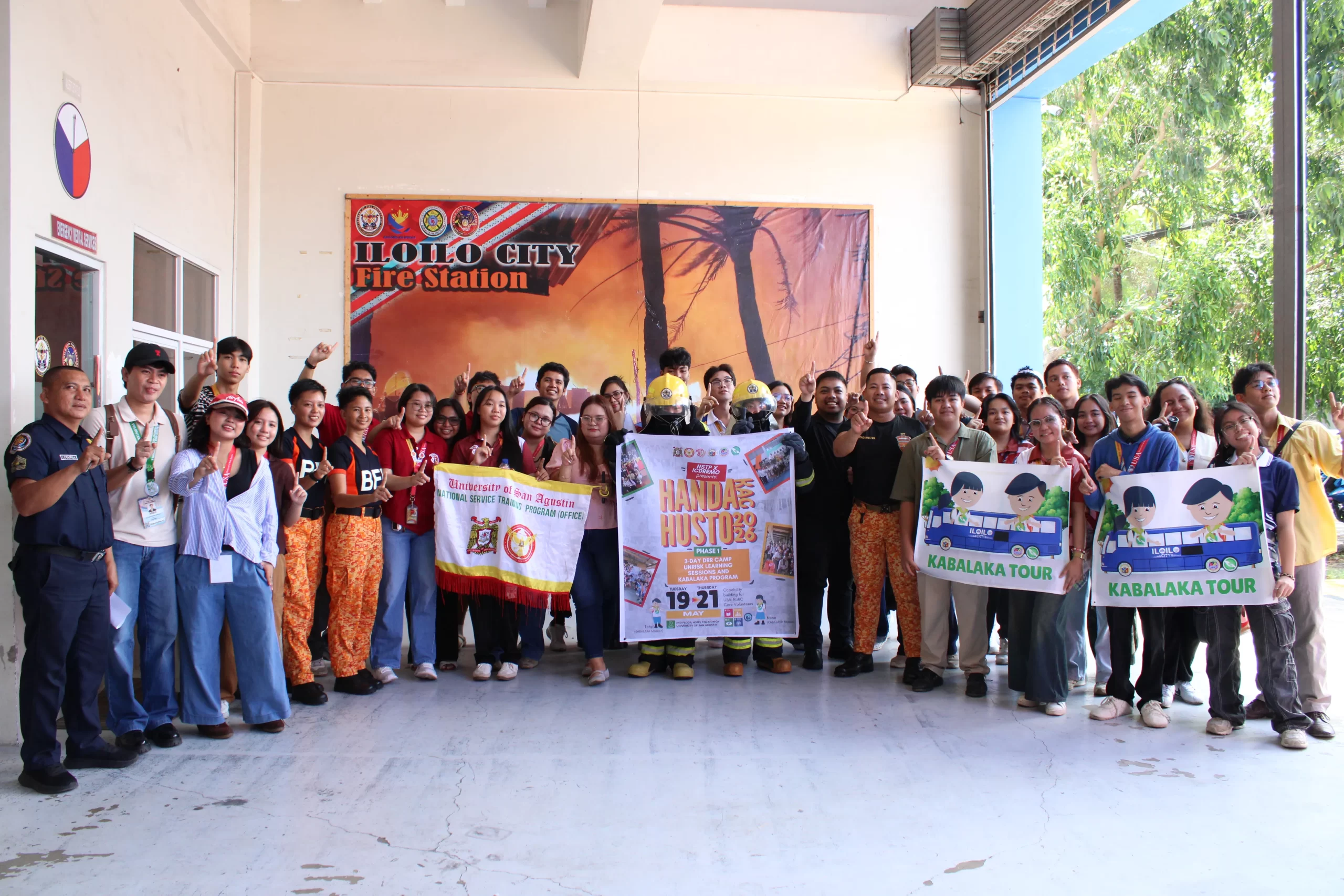
The tour continued to the Iloilo City Fire Station, where participants observed emergency response vehicles, specialized firefighting equipment, and operational procedures used in fire and emergency response. Reservists were also given the opportunity to experience selected firefighter tasks, providing direct exposure to the physical and technical demands associated with emergency operations.
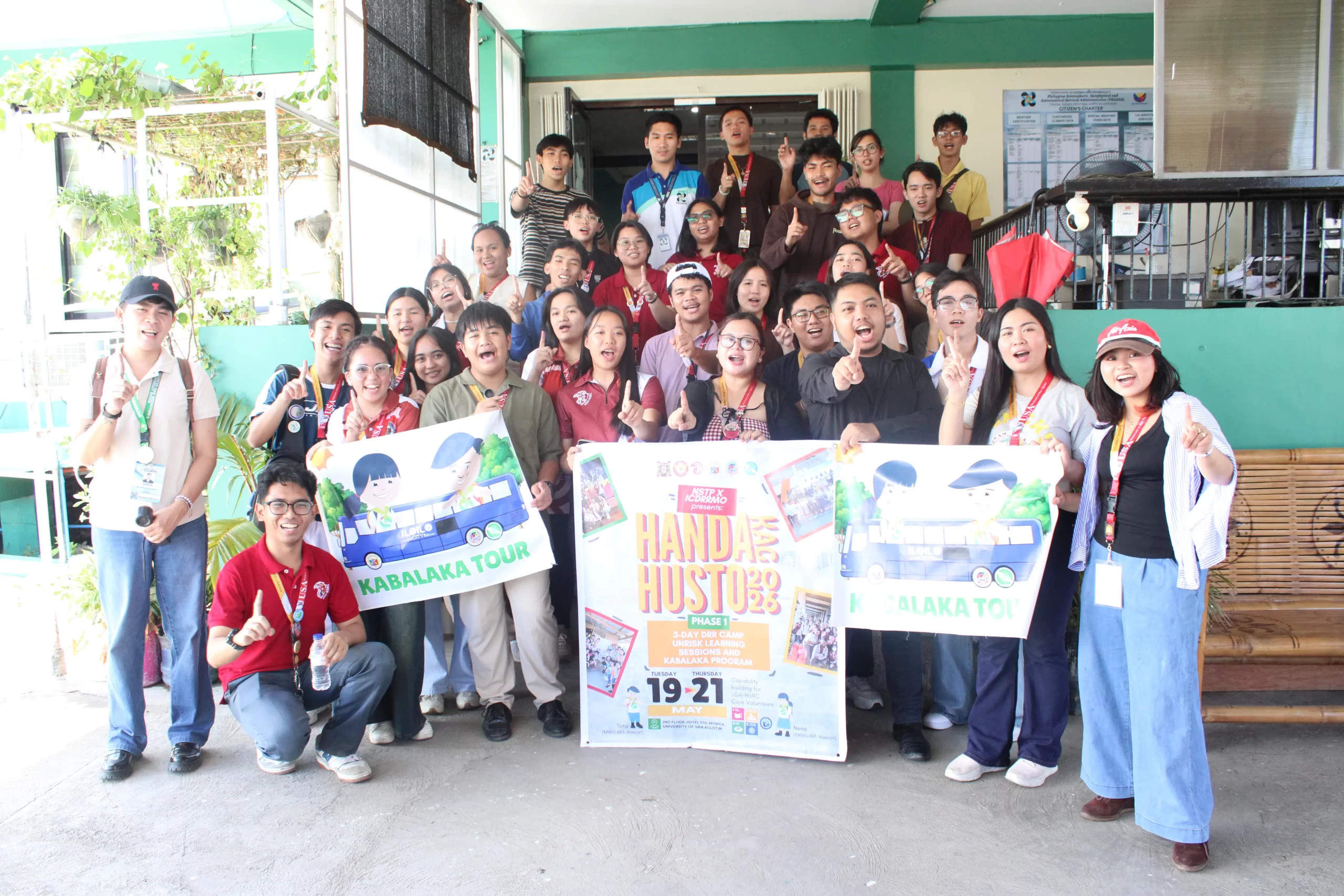
The third destination was the PAGASA Radar Station in Iloilo City, where participants learned about the role of meteorological observation, radar technology, rainfall monitoring, and weather forecasting in disaster preparedness. Discussions highlighted how scientific information supports hazard prediction and early warning mechanisms, particularly in anticipating weather-related threats that may affect communities.
The final visit brought participants to ICARE Iloilo, where they were introduced to the city’s integrated emergency response system and centralized operations. The exposure provided an understanding of how communication systems, coordinated dispatch, and cooperation among concerned agencies support emergency response and public safety.
Across the four institutional visits, participants observed the different responsibilities carried by organizations involved in disaster preparedness and response. The experience provided a clearer understanding of how technical expertise, established procedures, and institutional coordination contribute to the management of emergencies.
The KABALAKA Exposure Tour completed the progression of the three-day camp by connecting the foundational discussions of the UnRISK Learning Session and the practical exercises of the Training of Trainers with the operational environments in which Disaster Risk Reduction and emergency response activities are carried out.
Project Leadership and Institutional Partnership
The three-day Disaster Risk Reduction Camp was implemented through the University of San Agustin NSTP Office and USA-NSRC, in coordination with the Iloilo City Disaster Risk Reduction and Management Office.
Ma. Consejo S. Centeno, NSTP Head and USA-NSRC Adviser, served as Project Director, providing institutional guidance and supervision throughout the initiative.
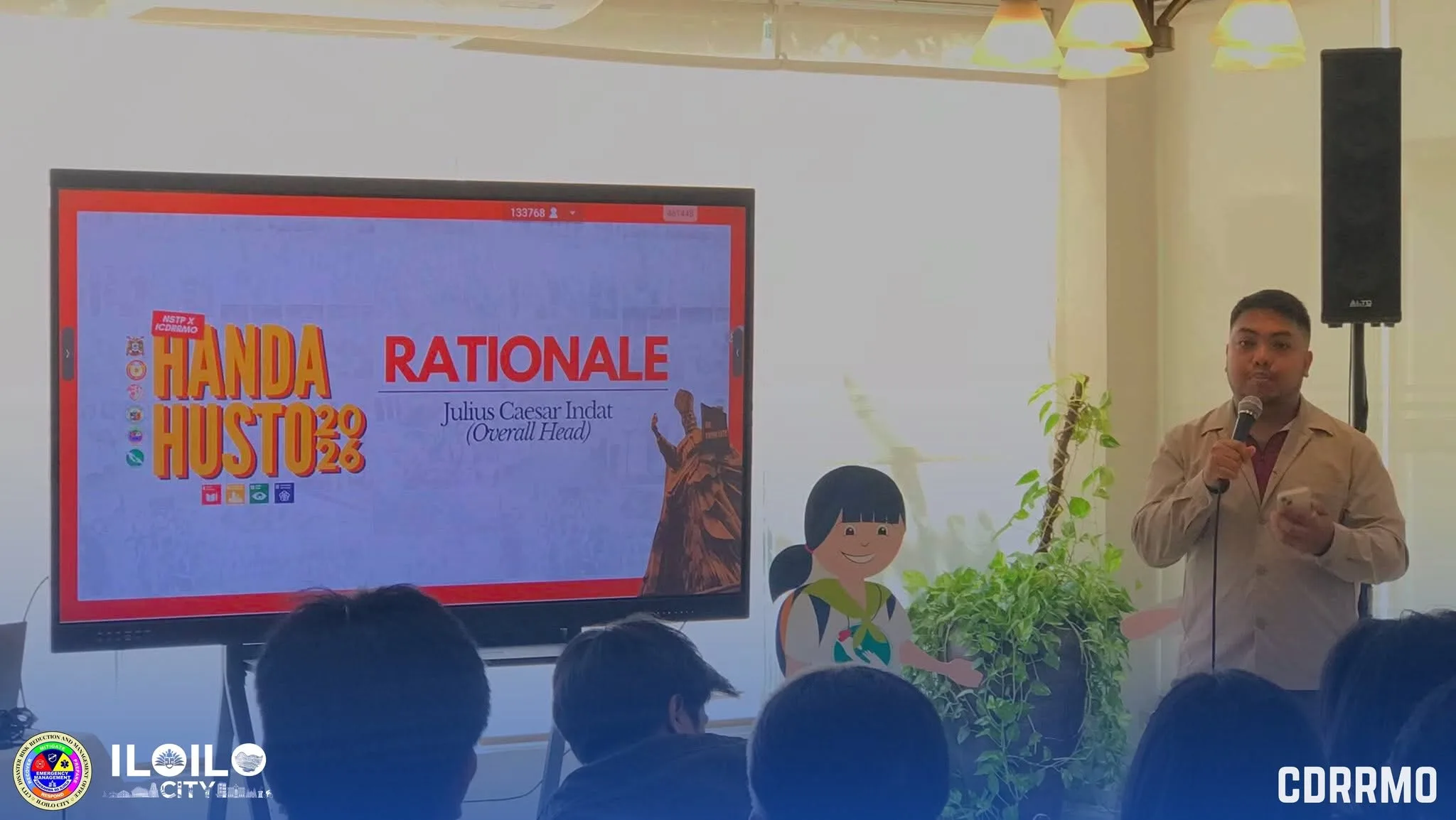
Julius Caesar Indat, USA-NSRC President, served as Project Head and Overall Chairperson, leading the organizational preparations and overall implementation of the camp alongside co-heads Queenie Margarette Potente, Christienne Faith Lehayan, Hannah Christienne Joy Aguisanda, and Angel Rose Palomata.
The participation and technical assistance of the ICDRRMO were essential to the conduct of the training program. Through its learning sessions, KABALAKA activities, and coordination of institutional exposure opportunities, the partnership provided participating reservists with access to established Disaster Risk Reduction practices and the experience of personnel working in the field of disaster management.
The camp also benefited from the cooperation of the institutions that accommodated the KABALAKA Exposure Tour, allowing participants to gain firsthand insights into preparedness and emergency response practices across different operational settings.
Strengthening the Foundation of Augustinian Reserve Preparedness
The completion of the three-day Disaster Risk Reduction Camp marked an important development in the continuing formation of the USA-NSRC.
Through the UnRISK Learning Session, participants established a foundational understanding of disaster risks and preparedness strategies. The KABALAKA Camp Training of Trainers provided practical exposure to community-based preparedness education, while the KABALAKA Exposure Tour introduced reservists to the institutional systems and operations that support disaster management in Iloilo City.
Together, these components established the initial training foundation of Handa kag Husto and provided a basis for the succeeding capability-building activities envisioned under the initiative.
The program forms part of the USA-NSRC’s continuing effort to develop a more structured framework for reserve preparedness within the University. Its long-term direction includes sustaining technical formation, preparing future volunteer facilitators, strengthening coordination with partner institutions, and gradually developing the capacity of reservists to contribute responsibly to community preparedness and response initiatives.
These efforts reflect the broader responsibilities entrusted to the National Service Reserve Corps in preparing individuals for civic welfare and national service. For the USA-NSRC, fulfilling those responsibilities requires continuous development and a clear understanding of the standards expected of volunteers who may eventually participate in organized emergency operations.
As the organization enters its fifth year, the successful implementation of the May 19–21 camp provides a foundation upon which future training and institutional engagements may be developed. The knowledge introduced and the experiences gained during the three days will inform the continuing formation of Augustinian reservists and the succeeding phases of Handa kag Husto.
The completion of the camp marks the beginning of a continuing responsibility for the USA-NSRC: to sustain the development of reservists whose preparedness and competence will enable them to serve responsibly when their communities and the nation need them.
AGUSTINO NSRC PARA SA BAYAN!
#SDG3GoodHealthAndWellBeing #SDG4QualityEducation #SDG11SustainableCitiesAndCommunities #SDG13ClimateAction #SDG17PartnershipsForTheGoals